Source High Temperature Woven Fiberglass Fabric for Insulation, Covering, and Filters
Compare 30 listings of High Temperature Woven Fiberglass Fabric suitable for insulation, wall covering, and filtration. Buyers can evaluate specifications like alkali content, coating type, and working temperature ranges to select the right material for industrial applications.
Key considerations
Products List

High Temperature Fiberglass Cloth Silicone Coated Glass Fiber Fabric
$1.53 - $1.67
MOQ: 50 Square Meters


High Temperature Resistant Heat Treat Firefight Material Fiberglass Fabric
$0.45 - $0.53
MOQ: 2000 Square Meters


Colored Acrylic Fiberglass Fabric Acrylic Coated Hightemperature Fiberglassfabric Cloth up to 550c
$1.75 - $3.50
MOQ: 2000 Square Meters


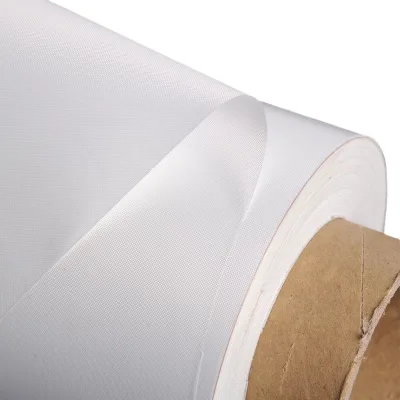


Thermal Insulation Fabric Cloth Fiberglass Glassfiber Cloth Coated with Alu Foil
$0.50 - $1.50
MOQ: 500 Square Meters


Comprehensive Sourcing Guide
Strategic Sourcing Guide for High Temperature Woven Fiberglass Fabric
Understanding Technical Specifications and Material Composition
When sourcing high-temperature woven fiberglass fabric, the primary objective is to identify materials that maintain structural integrity under extreme thermal stress. The core material for these applications is typically fiberglass, specifically categorized by its glass type and alkali content. In the current market, two distinct fiber types are frequently observed: C-Glass and E-Glass. C-Glass is often selected for its chemical resistance, while E-Glass is noted for its electrical insulation properties and general mechanical strength. A critical differentiator in high-temperature environments is the alkali content. Buyers must verify whether the fabric is Alkali Free or possesses Medium Alkali Content, as this directly influences the material's longevity when exposed to harsh chemical or thermal environments.
The weave structure is another fundamental specification. The most common configurations include Plain Woven and Twill Woven patterns. Plain weave offers a balanced structure suitable for general filtration and covering applications, whereas Twill weave may provide enhanced flexibility and drape. The surface treatment is equally vital for thermal performance. Silicone coating is a prevalent process used to enhance the fabric's resistance to heat and chemicals. This coating allows the fabric to withstand operating temperatures ranging from -70 degrees Celsius up to 550 degrees Celsius, with some specialized variants capable of handling continuous working temperatures between 550 and 600 degrees Celsius.
Thickness and weight are the physical parameters that dictate the fabric's barrier properties. Observed specifications in the market include thicknesses ranging from 0.45mm (0.016 inches) to as thick as 10mm, with common industrial grades falling between 1mm and 3mm. Weight specifications vary significantly, with some products listed at 300g/m², while others reach densities of 840GSM or weights between 800 and 2000g/m. The density of the material itself can range from 600 to 1200kg/m³. Buyers should ensure that the selected thickness and weight align with the specific insulation or filtration requirements of their project, as thinner fabrics may offer better flexibility while thicker variants provide superior thermal mass.
Compliance and Certification Verification
In the global supply chain for industrial textiles, certification serves as the primary evidence of a product's adherence to safety and quality standards. When evaluating high-temperature woven fiberglass, buyers must scrutinize the certification landscape. The market data indicates a wide array of certifications, including SAA, RoHS, ISO, GS, FCC, CE, CCC, and BSCI. The presence of ISO and CE certifications is particularly common, suggesting compliance with international quality management systems and European safety directives.
RoHS compliance is essential for products intended for use in electronics or applications where restricted hazardous substances must be avoided. Similarly, BSCI certification indicates adherence to social compliance standards regarding labor practices, which is a growing priority for many procurement departments. It is important to note that not every product listing will possess every single certification mentioned in general market overviews. Buyers must verify the specific certification status for the exact model number they intend to purchase. For instance, while some models may carry both RoHS and CE, others might only list ISO.
The chemical composition of the fabric also plays a role in compliance, particularly regarding the usage of high-temperature insulating materials. The presence of Al2O3 and SiO in the chemical composition confirms the inorganic nature of the material, which is a prerequisite for non-flammability. This attribute is critical for applications involving fire safety. Buyers should request specific test reports or certificates of analysis that confirm the non-flammable status and the specific chemical makeup of the fabric, ensuring it meets the regulatory requirements of their destination market.
Cost Drivers and Pricing Dynamics
The pricing of high-temperature woven fiberglass fabric is influenced by a complex interplay of material costs, processing complexity, and order volume. The observed price range in the market is extensive, spanning from $0.45 to $180 per unit. This wide variance is not indicative of quality differences alone but reflects the diversity in specifications, such as thickness, coating type, and weave density. Thicker fabrics with higher GSM (grams per square meter) and specialized silicone coatings will naturally command higher prices due to the increased raw material usage and energy-intensive manufacturing processes.
Order Volume is a significant determinant of cost. The Minimum Order Quantity (MOQ) observed ranges from as low as 1 unit to as high as 3000 units. Suppliers often offer tiered pricing structures where the unit cost decreases as the order volume increases. For buyers with smaller requirements, the higher unit cost may be unavoidable, whereas large-scale industrial projects can leverage economies of scale to reduce per-unit expenses. Customization is a key factor that can also drive costs up. While standard products are available in fixed models like SC3732 or SC666, requests for customized dimensions, specific weave types, or unique packing requirements (such as plastic bags with pallets versus standard woven bags) will incur additional charges.
The origin of the product also impacts the final landed cost. Most of the observed supply originates from China, with specific manufacturing hubs in regions like Zhejiang. While this location offers competitive manufacturing costs, buyers must factor in logistics, import duties, and lead times associated with international shipping. The choice of packaging, whether it be carton, woven bag, or plastic bag with pallets, also affects the overall cost, as specialized packaging requires additional materials and labor.
Typical Applications and Performance Requirements
High-temperature woven fiberglass fabric is a versatile material utilized across a broad spectrum of industrial applications. The primary use cases identified include wall and roof covering, filtration, and the production of blinds. The material's ability to withstand temperatures up to 600 degrees Celsius makes it ideal for thermal insulation in industrial furnaces, kilns, and exhaust systems. In these environments, the non-flammable nature of the fabric is a critical safety feature, preventing the spread of fire and protecting underlying structures.
Filtration is another major application area. The fabric is used in filter cloths where it must resist high temperatures while allowing for the separation of particulate matter from gases or liquids. The plain woven or twill woven structures provide the necessary porosity and strength to handle abrasive materials without tearing. Additionally, the material is employed in the manufacturing of blinds, where its thermal resistance helps in regulating indoor temperatures and providing light control.
The versatility of the fabric extends to its use in protective clothing and covers. The combination of fiberglass and silicone coating creates a barrier that is both heat-resistant and chemically stable. This makes it suitable for applications involving exposure to corrosive chemicals or extreme heat. Buyers should match the specific application requirements with the fabric's technical specifications. For example, a filtration application might require a specific weight and weave type to ensure optimal flow rates, while a thermal insulation application might prioritize thickness and density to maximize heat retention.
Supplier Evaluation and Sourcing Strategy
Evaluating suppliers for high-temperature woven fiberglass fabric requires a rigorous approach to ensure reliability and product consistency. The first step is to verify the supplier's ability to provide the specific certifications required for the target market. Buyers should request documentation for ISO, CE, RoHS, and other relevant certifications to confirm that the supplier maintains a compliant manufacturing process. It is also essential to check the supplier's location and origin, as products from regions like Zhejiang, China, may have different logistical profiles compared to other origins.
The supplier's capacity for customization is another critical evaluation point. Many buyers require specific dimensions, weights, or weave patterns that deviate from standard models. A capable supplier should be able to accommodate these requests, offering flexible options for width (ranging from 1m to 2m or customized) and length (up to 30m or customizable). The ability to provide samples before bulk ordering is also a strong indicator of a supplier's confidence in their product quality.
Lead times and production capacity are vital considerations for supply chain planning. While specific lead times are not universally standardized, buyers should inquire about the time required to fulfill orders, especially for customized products. The supplier's inventory management and ability to handle large order volumes (up to 3000 units) without compromising quality should also be assessed. Finally, the supplier's reputation for quality control and after-sales support should be investigated to ensure a smooth procurement experience.
Quality Control and Long-Term Procurement Considerations
Implementing a robust quality control (QC) protocol is essential when sourcing high-temperature woven fiberglass fabric. Buyers should establish clear acceptance criteria based on the technical specifications provided, such as thickness, weight, and alkali content. Regular inspections should be conducted to verify that the delivered goods match the agreed-upon standards. This includes checking for consistency in the silicone coating and ensuring that the weave pattern is uniform throughout the fabric roll.
Long-term procurement considerations involve building a sustainable relationship with suppliers who can consistently deliver high-quality products. This includes monitoring the supplier's performance over time, tracking any deviations in product quality, and maintaining open communication regarding changes in specifications or market conditions. Buyers should also consider the environmental impact of the materials and packaging, ensuring that the supplier adheres to sustainable practices where possible.
The durability of the fabric is a key factor in long-term value. High-temperature woven fiberglass is designed to withstand harsh conditions, but its lifespan can be affected by improper handling or storage. Buyers should ensure that the packaging, whether it be carton, woven bag, or plastic bag with pallet, protects the material from moisture and physical damage during transit. By focusing on quality control and long-term supplier relationships, buyers can secure a reliable supply of high-temperature woven fiberglass fabric that meets their operational needs and safety standards.
FAQs
What certifications are available for High Temperature Woven Fiberglass Fabric?
Available certifications include SAA, RoHS, ISO, GS, FCC, CE, CCC, and BSCI. Buyers must verify the specific certification status for the exact model number, as not every product listing possesses every single certification mentioned in general market overviews.
How does the alkali content affect the fabric performance?
The fabric is available with either Medium Alkali Content or Alkali Free properties. This distinction directly influences the material's longevity when exposed to harsh chemical or thermal environments, so buyers must verify the specific alkali content for their application.
What is the maximum working temperature for this fabric?
The fabric withstands thermal temperatures from -70 to 550 degrees Celsius, with some variants handling 550 to 600 degrees Celsius. This range makes it suitable for thermal insulation in industrial furnaces, kilns, and exhaust systems requiring high heat resistance.
Which thickness options are offered for High Temperature Woven Fiberglass Fabric?
Thickness options range from 0.45mm to 10mm, with common industrial grades falling between 1mm and 3mm. Buyers should ensure the selected thickness aligns with specific insulation or filtration requirements, as thicker variants provide superior thermal mass while thinner ones offer flexibility.
Can the fabric be customized for specific dimensions and packaging?
Customization is available for dimensions, weave types, and packing requirements. Widths can be 1m to 2m or customized, and lengths up to 30m or customizable, with packing options including carton, woven bag, or plastic bag with pallets to suit project needs.
What is the typical price range for High Temperature Woven Fiberglass Fabric?
The observed price range spans from 0.45 to 180 USD per unit. This variance reflects differences in specifications like thickness, coating type, and weave density, with thicker fabrics and specialized coatings naturally commanding higher prices due to increased raw material usage.
Where are the manufacturers of this fabric located?
Most observed supply originates from China, with specific manufacturing hubs in regions like Zhejiang. Buyers must factor in logistics and import duties associated with international shipping from these locations when calculating the final landed cost of the material.